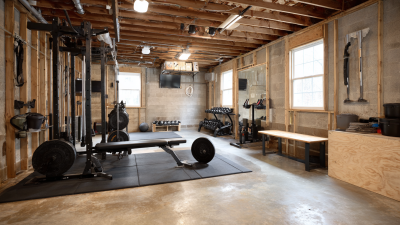
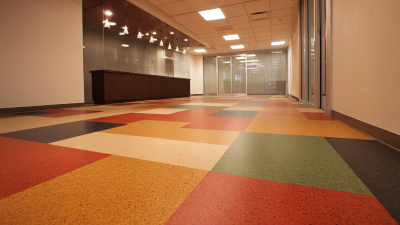
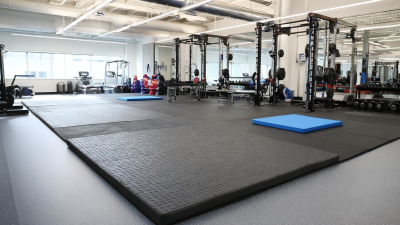
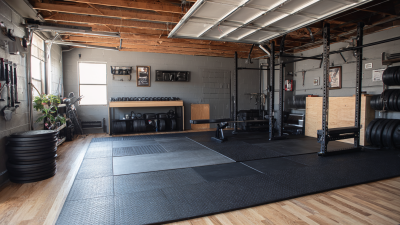
When you're setting up a workout space—whether at home or a commercial gym—picking the right Gym Floor Mats is pretty much a must. They do way more than just add a bit of comfort; they also protect your floors from heavy equipment and potential damage. These days, there's such a wide range of mats out there, made from different materials, thicknesses, and styles, so you can really find something that fits your specific workout vibe and space.
Come 2025, it’s all about mats that not only perform well but also look good. If you’re a fitness buff putting together a home gym, or even a gym owner wanting to impress members, understanding your options can make a big difference. For instance, anti-fatigue mats are great if you’re on your feet a lot—they help reduce strain—and heavy-duty roll-out mats are perfect for high-traffic areas. Choosing the right mats can boost safety and totally level up the workout experience.
As we go through some of the best gym floor mats for different needs, I’ll point out some key features and things to keep in mind. That way, you’ll end up with mats that not only work great but also last over time, making your fitness setup even better.
Types of Gym Floor Mats: An Overview for Home and Commercial Settings
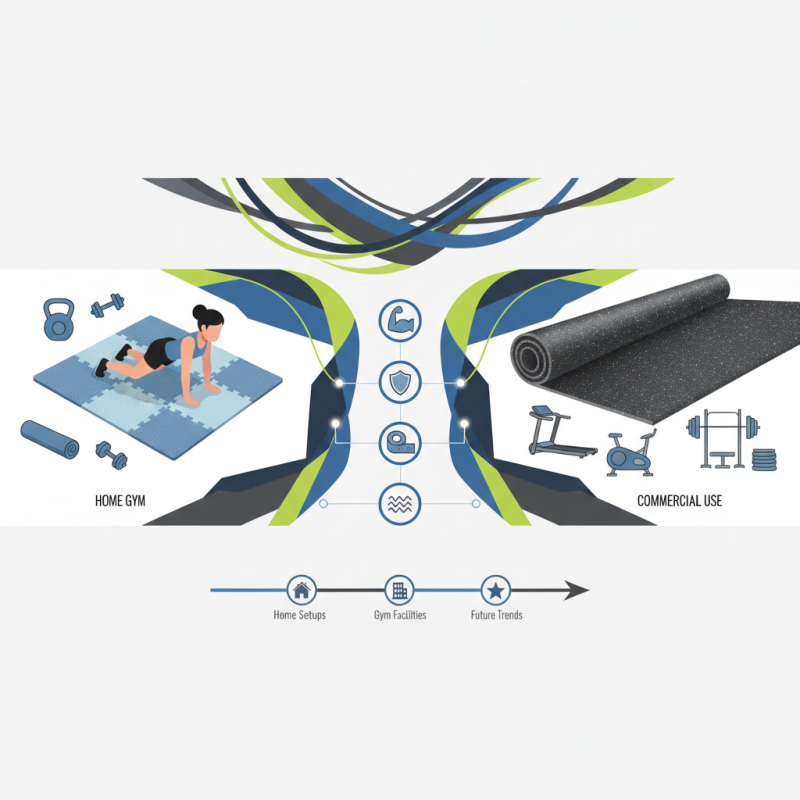
When it comes to selecting gym floor mats, understanding the various types suitable for both home and commercial settings is essential. Gym floor mats can be categorized primarily into interlocking mats, rolled mats, and tiles. Interlocking mats are popular in home gyms due to their versatility and ease of installation. They can be assembled and disassembled quickly, making them an excellent choice for smaller spaces. Rolled mats, on the other hand, provide continuous coverage, which is ideal for larger commercial spaces like fitness centers or training studios. These mats usually absorb impact better and are easier to clean, making them a staple in high-traffic areas. Tiles offer unique customization options, catering to specific activities like weightlifting or aerobics, with different thicknesses and densities available.
According to a report by IBISWorld, the Gym Flooring market is expected to grow at a rate of4.9% annually over the next five years, reflecting the increasing investment in fitness facilities and home gym setups. Selecting the right mat can not only enhance the aesthetics of your space but also improve safety and performance.
Tips for choosing the right mat include considering the specific activities you’ll be engaging in and the type of flooring already in place. For instance, foam mats are great for yoga and flexibility exercises, while Rubber Mats are superior for weightlifting due to their durability and shock absorption. Additionally, always look for mats that provide superior traction to minimize the risk of slips and injuries during workouts, particularly in high-intensity environments.
Key Features to Consider When Selecting Gym Floor Mats
When selecting gym floor mats for home or commercial use, several key features are vital to ensure safety, durability, and functionality. First and foremost, consider the material of the mats. High-density foam, rubber, and vinyl are popular choices, each offering different levels of shock absorption and resilience. According to a report from the International Journal of Sports Science, proper cushioning can reduce the risk of injury by up to 30% during workouts by providing necessary support to joints and muscles.
Another critical consideration is the size and thickness of the mats. Typically, Gym Mats range from½ inch to 1 inch in thickness. Thicker mats provide enhanced impact absorption, making them ideal for high-intensity training environments. However, a carpet-like thickness can be more suitable for areas with lighter activities like yoga. Ensure that the mats fit seamlessly in your designated space to prevent tripping hazards.
Tips: When purchasing gym floor mats, look for models with non-slip surfaces to enhance safety. Additionally, opt for mats that are easy to clean; many commercial-grade options are designed to be resistant to sweat and stains. Lastly, consider mats with interlocking features for flexibility in layout and ease of storage, particularly beneficial in multipurpose spaces.
Top Materials Used in Gym Floor Mats and Their Benefits
When it comes to gym floor mats, the choice of material plays a pivotal role in their functionality and durability. One of the most popular materials used in gym mats is rubber. Known for its excellent shock absorption, rubber provides a sturdy surface that enhances grip while reducing the risk of injury during workouts. It is also highly resistant to wear and tear, making it an ideal choice for both home and commercial gyms. Additionally, rubber mats are easy to clean and maintain, ensuring that hygiene standards are upheld in any fitness environment.
Another commonly used material is foam, which offers a softer surface suited for activities that require more cushioning, such as yoga and pilates. Foam mats come in various densities and thicknesses, allowing users to choose the level of comfort best suited to their workout style. The lightweight nature of foam makes these mats easy to transport and store, providing versatility for different workout spaces. Furthermore, many foam mats come with interlocking features, enabling a seamless and custom-fit configuration for any gym layout, whether in a home or commercial setting.
Comparative Analysis: Home Gym Mats vs. Commercial Gym Mats
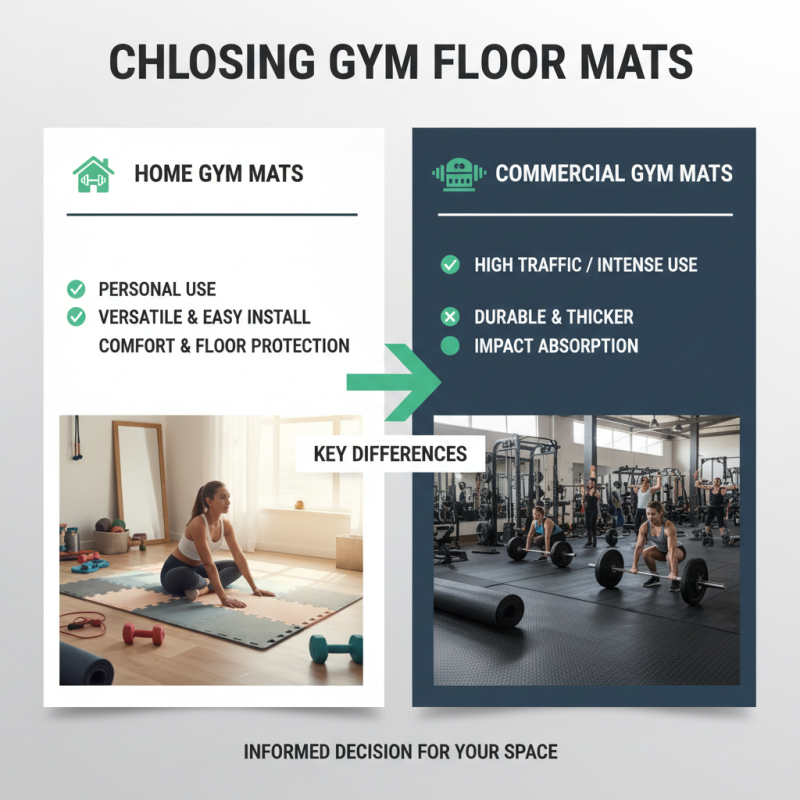
When it comes to choosing gym floor mats, understanding the differences between home gym mats and commercial gym mats is crucial for making an informed decision. Home gym mats are typically designed for personal use and are characterized by their versatility and ease of installation. They often come in various thicknesses and materials, catering to different types of workouts, such as yoga, weightlifting, and cardio exercises. Their soft texture provides comfort and protection for floors, making them an attractive option for those looking to create a workout space at home.
On the other hand, commercial gym mats are built to withstand heavy foot traffic and rigorous use. These mats are generally thicker, denser, and made from more durable materials to endure the wear and tear of a busy gym environment. They often feature specific designs for different workout areas, such as rubber mats for weightlifting zones or interlocking tiles for multi-purpose spaces. The primary focus of commercial mats lies in safety and functionality, ensuring that they provide excellent traction and cushioning to prevent injuries amongst multiple users. This distinction is key for fitness enthusiasts or gym owners as they evaluate the best mats suited for their specific needs and environments.
Installation and Maintenance Tips for Gym Floor Mats
When it comes to the installation of gym floor mats, proper preparation is key to ensuring a smooth and successful setup. Start by selecting a clean, dry surface for your mats, as any debris or moisture can interfere with adhesion and performance. For interlocking tiles, a level surface will help them fit together seamlessly, while roll-out mats should be laid out flat and left to acclimate for 24 hours if they’ve been coiled. Remember to measure the area accurately before cutting any mats to size to minimize waste and maximize coverage.
Maintenance plays a crucial role in the longevity and appearance of your gym floor mats. Regular cleaning is essential to prevent the buildup of dirt and grime that can lead to odors and deterioration. Use mild detergent and warm water for routine cleaning, and consider a deeper scrub periodically depending on the usage level. Additionally, be mindful of high-traffic areas—placing mats strategically can reduce wear and tear, extending their life. Inspect the mats regularly for signs of damage and repair or replace them as needed to ensure a safe workout environment.
Best Gym Floor Mats for Home and Commercial Use in 2025
This chart represents the different types of gym floor mats suitable for both home and commercial use, along with their popularity based on user reviews and ratings in 2025.
Cost Considerations: Budgeting for Gym Floor Mats
When budgeting for gym floor mats, it's essential to consider both the initial costs and the long-term value they provide. The average price of high-quality gym flooring can range from $2 to $10 per square foot, depending on the material and thickness. Rubber mats, for example, are often favored for their durability and shock-absorption properties, making them a sound investment for both home gyms and commercial facilities. According to a recent report by the International Health, Racquet & Sportsclub Association (IHRSA), facility owners can expect a return on investment within two to five years when choosing durable flooring options that minimize maintenance and replacement costs.
In addition to material costs, factors such as installation, maintenance, and longevity should be accounted for in your overall budget. Professional installation services can add anywhere from $1 to $3 per square foot, but a proper installation can significantly enhance the lifespan of the flooring. Industry studies suggest that well-maintained gym mats can last upwards of 20 years, particularly in commercial settings where heavy foot traffic is common. Thus, allocating a budget that incorporates not just the purchase price but also long-term care ensures that gym owners and enthusiasts alike make informed decisions that support their fitness environments sustainably.
Best Gym Floor Mats for Home and Commercial Use in 2025 - Cost Considerations: Budgeting for Gym Floor Mats
| Mat Type | Material | Thickness | Size | Price (per square foot) | Durability Rating |
| Interlocking Foam Mats | EVA Foam | 0.5 inches | 2x2 feet | $2.50 | 3/5 |
| Rubber Gym Mats | Natural Rubber | 3/8 inches | 4x6 feet | $3.75 | 4/5 |
| Carpeted Gym Mats | Nylon | 1 inch | 6x4 feet | $4.00 | 3.5/5 |
| Vinyl Flooring Mats | Vinyl | 0.25 inches | 4x8 feet | $5.00 | 4.5/5 |
| Foam Roll-Out Mats | High-Density Foam | 0.75 inches | 10x4 feet | $3.00 | 4/5 |
Trends in Gym Floor Mats for 2025 and Beyond
As we approach 2025, the trends in gym floor mats are evolving to meet the needs of both home and commercial fitness spaces. One significant trend is the increasing demand for eco-friendly materials. Reports indicate that approximately 36% of consumers prioritize sustainability when purchasing gym equipment. Mats made from recycled rubber and natural fibers are gaining popularity, as they not only reduce environmental impact but also offer durability and shock absorption.
Another key trend is the rise of multifunctional mats that cater to various exercise routines. With more people embracing hybrid workout styles, mats that support weightlifting, yoga, and HIIT are essential. A study from the Fitness Industry Association projected a 25% increase in the use of all-in-one mats by fitness enthusiasts, who value versatility and efficiency. Additionally, innovations in antimicrobial coatings are becoming prominent, addressing cleanliness and hygiene concerns in shared spaces.
Tips for selecting the right gym floor mats include considering the thickness for shock absorption, especially in areas designated for high-impact workouts. Additionally, assess the surface texture to prevent slipping during intense sessions. Lastly, ensure that the mats are easy to clean and maintain, as hygiene remains a priority in both home gyms and professional fitness centers. These factors will guide consumers in making informed decisions in a rapidly evolving market.
Essential Guide to Choosing High-Density Anti-Slip Rubber Mats for Your Home Gym
When setting up a home gym, one of the most crucial aspects to consider is the type of flooring you choose, particularly if you're looking for high-density anti-slip rubber mats. These mats provide essential safety features, cushioning, and durability, making them ideal for various workouts. Among the available options, high-quality rubber mats significantly outperform standard ones in key areas such as load-bearing capacity and resistance to high-impact forces.
A leading option in the market is the Rubber Roll Max Style, which utilizes advanced HT & HP technology to create a product from 100% EPDM (ethylene propylene diene monomer) particles. According to industry reports, these mats exhibit superior friction and cushioning characteristics, which are vital for preventing slips and ensuring a comfortable workout experience. Additionally, they thrive under repeated stresses, making them particularly suitable for high-intensity activities, like weightlifting.
Available in multiple thickness options, ranging from 4mm to 20mm, these mats can be customized to suit different exercise needs, ensuring optimal protection and performance. The inclusion of shock-absorbing layers offers extra safety in more extreme conditions. As more individuals prioritize their fitness regimes at home, investing in high-density anti-slip rubber mats emerges as a fundamentally smart choice for enhancing workout environments and protecting users from potential injuries.
FAQS
: The main types of gym floor mats include interlocking mats, rolled mats, and tiles. Interlocking mats are versatile and easy to install, suitable for home gyms. Rolled mats offer continuous coverage ideal for larger spaces like fitness centers, while tiles provide customization options for specific activities.
Selecting the right mat enhances the aesthetics of your space, improves safety, and boosts performance. Different activities require different types of mats; for instance, foam mats are great for yoga, while rubber mats are better for weightlifting.
Consider the specific activities you’ll engage in, the existing flooring type, the level of shock absorption needed, and the traction of the mats to help avoid slips and injuries.
The average price for high-quality gym flooring ranges from $2 to $10 per square foot, depending on the material and thickness of the mats.
Well-maintained gym mats can last upwards of 20 years, especially in commercial settings with heavy foot traffic, making them a worthwhile investment.
Professional installation can enhance the lifespan of the flooring significantly. While installation costs may range from $1 to $3 per square foot, proper installation contributes to the durability of the mats.
Investing in durable gym flooring can yield a return on investment within two to five years by minimizing maintenance and replacement costs, ultimately offering long-term value.
Rolled mats provide continuous coverage, which is beneficial for larger areas. They also typically absorb impact better and are easier to clean, making them suitable for high-traffic spaces.
Different materials are suited for specific exercises; for example, foam mats are ideal for yoga, while rubber mats are preferred for weightlifting due to their durability and shock absorption properties.
Gym owners should account for the initial costs, long-term value, installation fees, maintenance costs, and ensure they budget for proper care to support a sustainable fitness environment.
Conclusion
In the article titled "Best Gym Floor Mats for Home and Commercial Use in 2025," various aspects of gym floor mats are explored to assist both homeowners and gym owners in making informed decisions. The article begins with an overview of the different types of gym floor mats suitable for various environments, highlighting key features to consider when selecting mats, such as durability, shock absorption, and ease of cleaning.
Additionally, the piece delves into the top materials used in gym floor mats, offering insights into their unique benefits. A comparative analysis distinguishes between home gym mats and commercial gym mats, addressing the specific needs of each setting. Furthermore, the article provides valuable installation and maintenance tips, along with cost considerations for budgeting purposes. Finally, it discusses emerging trends in gym floor mats for 2025 and beyond, ensuring readers are well-equipped to choose the best options for their fitness spaces.